

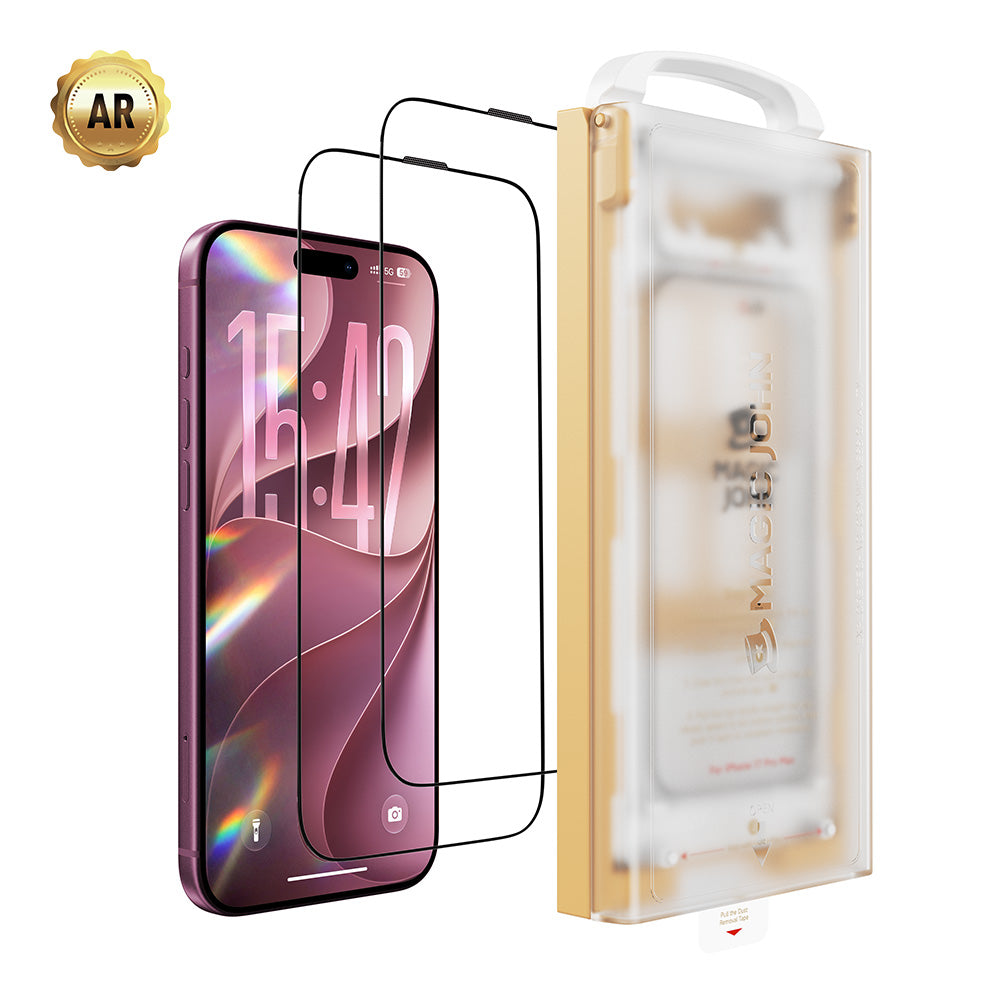

Por que fazer isso? protetores de tela Sempre aparecem bolhas? Pó. Você não consegue ver, mas está lá. Os kits de instalação modernos resolvem esse problema usando eletricidade estática para remover poeira invisível e câmaras seladas Para evitar a entrada de poeira. O resultado? Zero bolhas, acabamento perfeito.
Como os kits removem poeira invisível
A poeira é inimiga de proteção de tela. Mas como remover partículas que você nem consegue ver? A resposta é eletricidade estática. Os métodos tradicionais de instalação dependem de fita adesiva ou panos de microfibra. Esses métodos geralmente falham porque dependem da sua percepção visual para detectar a poeira.
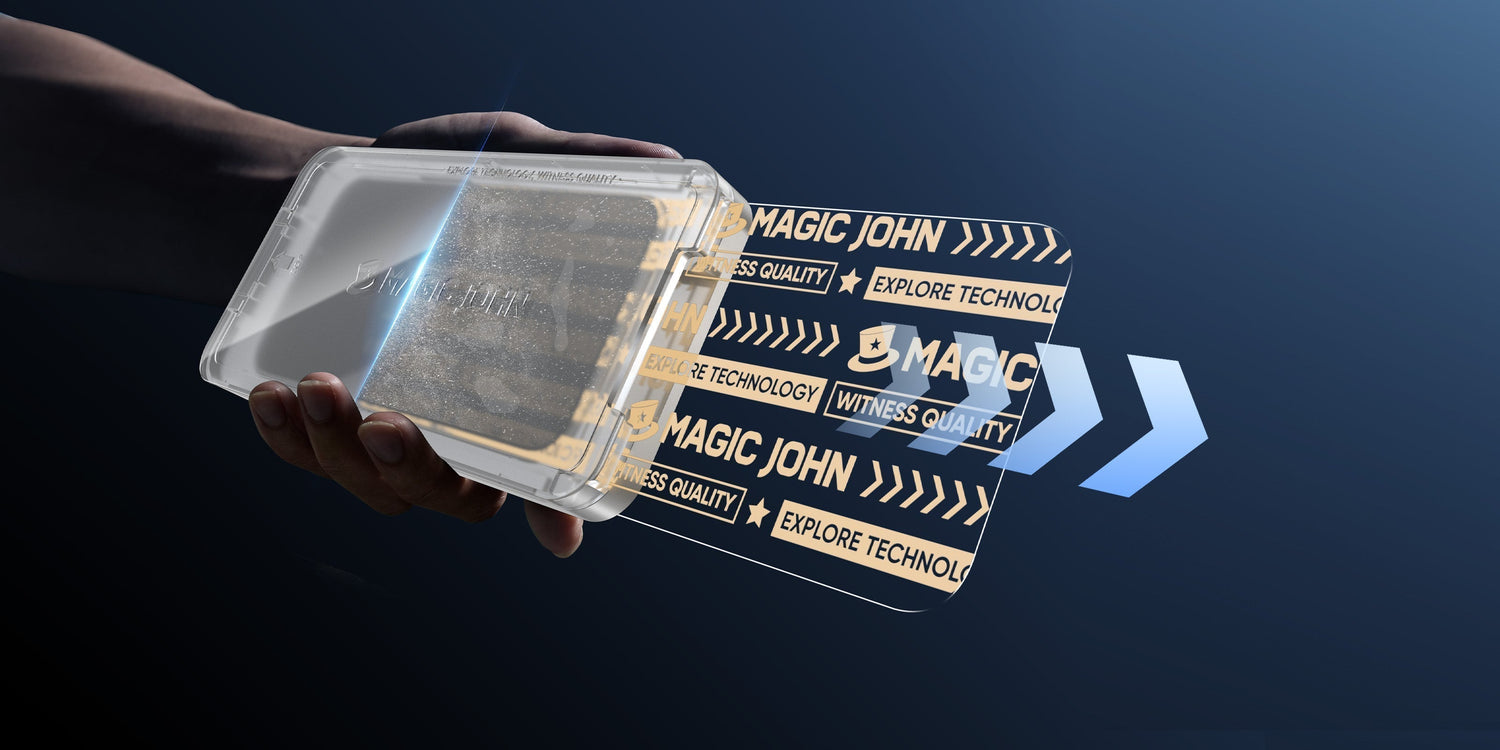
Os kits modernos usam eletricidade estática para atrair poeira. O mecanismo é simples, mas genial. Normalmente, envolve uma fita adesiva integrada à bandeja de instalação.
Como funciona:
Ao puxar a fita removedora de poeira do kit de instalação, você cria atrito. Em física, isso é conhecido como atrito. efeito triboelétrico.
- Geração de carga: O atrito gera uma carga eletrostática na tira.
- Atração: Essa carga estática cria um campo elétrico.
- Remoção: Partículas de poeira, que geralmente são leves e facilmente influenciadas por eletricidade estática, são atraídas eletrostaticamente para a tira.
Conforme a faixa desliza sobre a tela, ela remove as partículas de poeira do vidro, expelindo-as do ambiente selado. Isso ocorre milissegundos antes da película protetora aderir à tela. Não há tempo para que novas partículas de poeira se acumulem.
Por que as bandejas de instalação impedem a entrada de nova poeira?

Por que a maioria das tentativas de instalação falha? O ambiente. O ar ao seu redor está repleto de partículas microscópicas em suspensão. Ao aplicar uma película protetora manualmente, você expõe o adesivo ao ar livre.
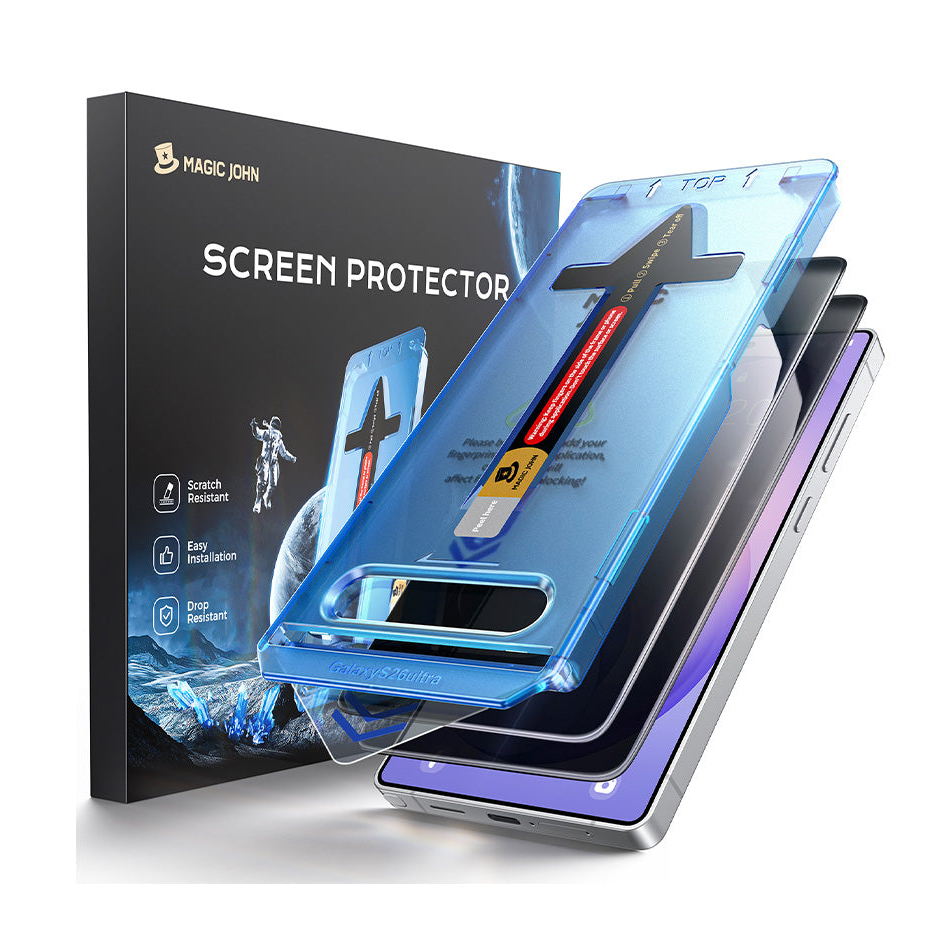
Os kits modernos resolvem isso com uma bandeja selada que bloqueia a entrada de ar externo. Embora o kit não crie um vácuo literal do espaço sideral, ele cria um ambiente controlado de "sistema fechado" — o que chamamos de "vedação a vácuo".
O conceito de sala limpa
Na fabricação, os microchips são produzidos em salas limpas para evitar contaminação. Uma bandeja de instalação funciona como uma sala limpa temporária em miniatura para o seu telefone.
1. Alinhamento: O telefone fica encaixado profundamente na bandeja, reduzindo o fluxo de ar sobre a superfície da tela.
2. O Selo: Ao fechar a tampa do kit sobre o telefone, você aprisiona um volume específico de ar.
3. Deslocamento: Ao remover a tira de puxar e o vidro se encaixar no lugar, ele ocupa o espaço anteriormente ocupado pelo ar.
Como a unidade é selada durante o momento crítico de exposição, correntes de ar externas não conseguem soprar mais poeira sobre a tela. Esse design selado cria um resultado previsível e consistente que as mãos humanas simplesmente não conseguem replicar em um ambiente aberto.
Como o fluxo adesivo empurra as bolhas para fora.
Após a remoção da poeira, o vidro precisa aderir à tela. É aqui que a fluidez do adesivo se torna importante.
Você já reparou como algumas películas protetoras deixam enormes bolhas de ar, enquanto outras parecem derreter na tela? Isso é determinado pela... protetor de tela adesivo automático tecnologia.
O adesivo usado em vidro temperado de alta qualidade é uma camada adesiva de silicone líquido. Para um acabamento sem bolhas, esse adesivo deve apresentar excelentes propriedades de "molhagem". Molhagem refere-se à capacidade do adesivo de fluir suavemente sobre a superfície da tela sem deixar espaços.
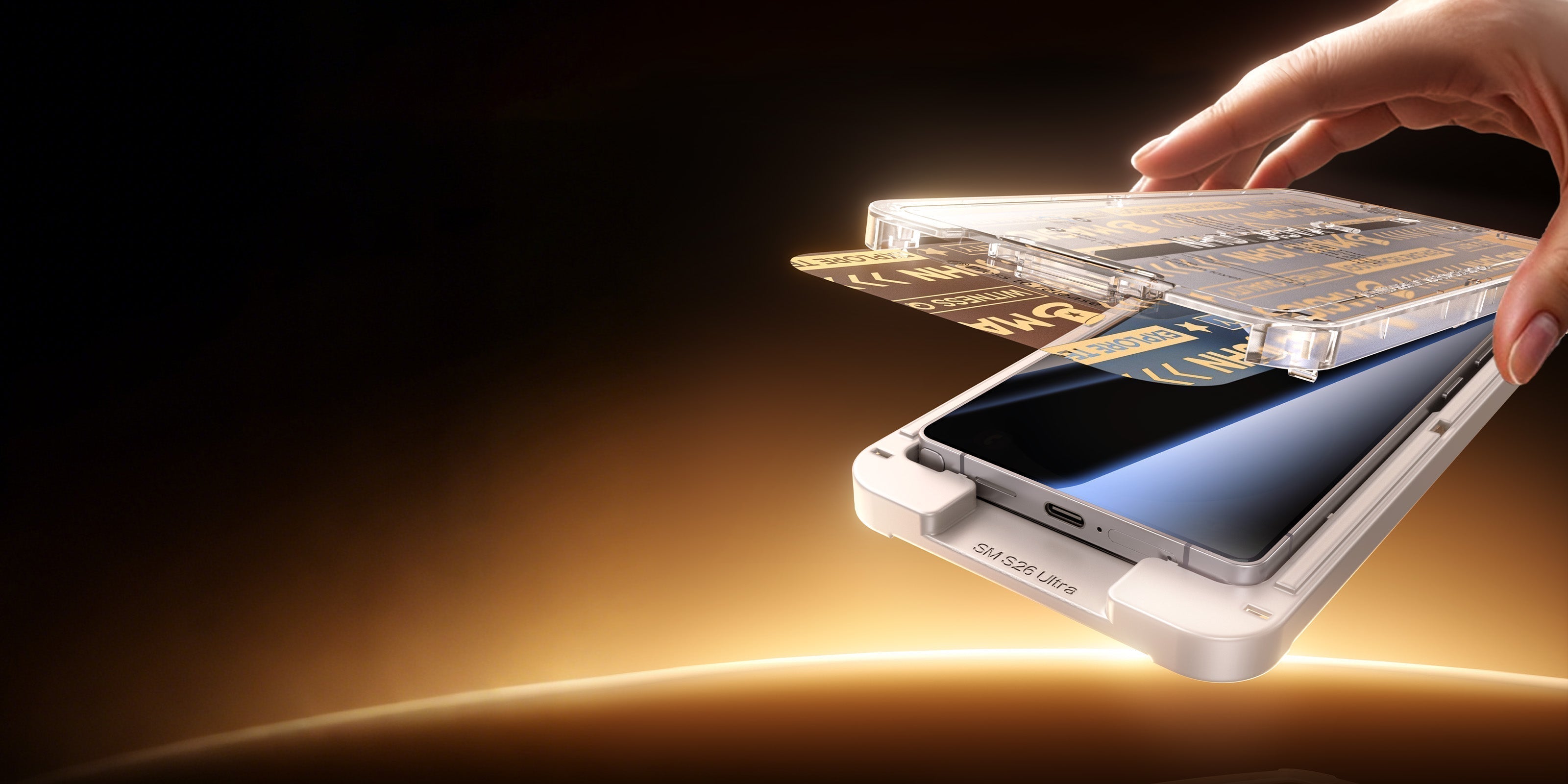
- A Frente de Onda: Quando a película protetora é colocada sobre o telefone, o contato adesivo começa em uma das extremidades (geralmente guiado pelo kit de instalação).
- Propagação: O adesivo cria uma "frente de onda" que se move pela tela.
- Empurrando o ar: À medida que essa onda se move, ela empurra o ar à sua frente.
Se você simplesmente colocar uma película protetora diretamente sobre a tela, o ar ficará preso no meio. É por isso que a instalação manual é difícil. Um kit bem projetado angula o vidro ou guia a aplicação para que o adesivo flua em uma única onda unidirecional. Esse fluxo aproveita a gravidade e a atração molecular para expulsar o ar pelas laterais, deixando uma aderência perfeita.
Por que a instalação em ângulo evita bolhas
Mesmo com boa aderência, as bolhas de ar podem ser persistentes. Compreenda. Física das bolhas de ar em vidro temperado Isso ajuda a explicar por que os kits modernos são tão eficazes.
Como o ar fica preso
Uma bolha de ar é simplesmente uma bolsa de gás presa sob pressão. Para removê-la, a pressão dentro da bolha deve ser maior que o atrito que mantém o copo pressionado, ou o ar deve ter uma via de escape.
As películas protetoras comuns costumam falhar porque são aplicadas de forma irregular. Se as bordas aderirem primeiro, o ar no centro não tem para onde ir. Ele fica comprimido e visível.
Como os kits resolvem isso
Os kits de instalação controlam a descida do vidro. Ao alinhar o vidro perfeitamente e permitir que ele se acomode em um ângulo específico, o kit garante que o ar seja expelido de forma sistemática.
- O ar flui em camadas suaves em vez de ficar preso em bolsas.
- As bordas são seladas por último, mantendo uma rota de saída aberta até o segundo final.
- O processo é previsível e controlado.
Esse controle físico preciso transforma um processo caótico em um processo linear. Você não está lutando contra a física; o equipamento está usando a física para expelir o ar para você.
Como o vidro temperado protege sua tela
Já discutimos a instalação, mas e a física da proteção em si? Uma vez aplicado, o vidro serve como um escudo sacrificial. ciência dos kits de proteção de tela Vai além da simples cola; trata-se de absorção de energia.

Dispersão de energia
Quando você deixa seu celular cair, o impacto gera energia cinética. Sem uma película protetora, a tela do seu celular precisa absorver toda essa energia em um único ponto. Essa tensão faz com que a tela se quebre.
O vidro temperado de alta qualidade atua como um amortecedor.
1. Dureza: A superfície de vidro temperado resiste a riscos causados por chaves, moedas e pelo desgaste diário.
2. Fragilidade versus tenacidade: O vidro temperado é projetado para ser quebradiço de uma maneira específica. Quando sofre um impacto forte, ele se estilhaça.
3. O Sacrifício: Ao se estilhaçar, o protetor absorve e dissipa a energia do impacto por toda a sua superfície.
Ele gasta energia se autodestruindo para que a energia não seja transferida para a tela do seu celular. É um guarda-costas físico que absorve o impacto — ou, neste caso, o impacto no asfalto — em proteção do seu aparelho.
Aproveitando os princípios da física para um acabamento de tela impecável.
Por que se preocupar com bolhas quando a física pode resolver o problema? Os kits modernos de películas protetoras eliminam a poeira, evitam o desalinhamento e garantem zero bolhas — tudo em 3 passos simples.
Procura uma instalação sem bolhas? Kits profissionais como o MAGIC JOHN utilizam estes princípios.
Perguntas frequentes sobre a física da proteção de tela sem bolhas
P1: A eletricidade estática realmente remove toda a poeira?
A eletricidade estática é altamente eficaz na atração de partículas leves, como fiapos e poeira. Embora nenhum sistema seja 100% perfeito em todas as condições extremas, tecnologia de remoção de poeira estática para celular O uso de kits é significativamente mais eficaz do que a limpeza manual, pois remove partículas invisíveis a olho nu.
Q2: Por que as bolhas aparecem dias depois?
Isso geralmente ocorre devido a mudanças de temperatura que fazem com que o ar preso se expanda, ou a um adesivo fraco que perde sua capacidade de vedação. No entanto, com protetor de tela adesivo automático Em sistemas de fixação, a adesão geralmente é instantânea. Se uma bolha aparecer posteriormente, isso geralmente significa que a tela não foi devidamente limpa de óleos antes da aplicação.
P3: A bandeja de instalação é reutilizável?
Sim! O Kit MAGIC JOHN de 3ª geração Possui uma bandeja de instalação reutilizável. Basta substituir a película protetora da tela mantendo o mesmo aplicador, reduzindo o desperdício e economizando dinheiro. Este design ecológico é uma das principais melhorias em relação às gerações anteriores.
Q4: O vidro afeta a sensibilidade ao toque?
Não. O vidro temperado de alta qualidade possui propriedades elétricas semelhantes às da tela do seu celular. O vidro tem um impacto mínimo na resposta ao toque capacitivo, mantendo a sensibilidade total.


Deixe um comentário
Este site é protegido por hCaptcha e a Política de privacidade e os Termos de serviço do hCaptcha se aplicam.