


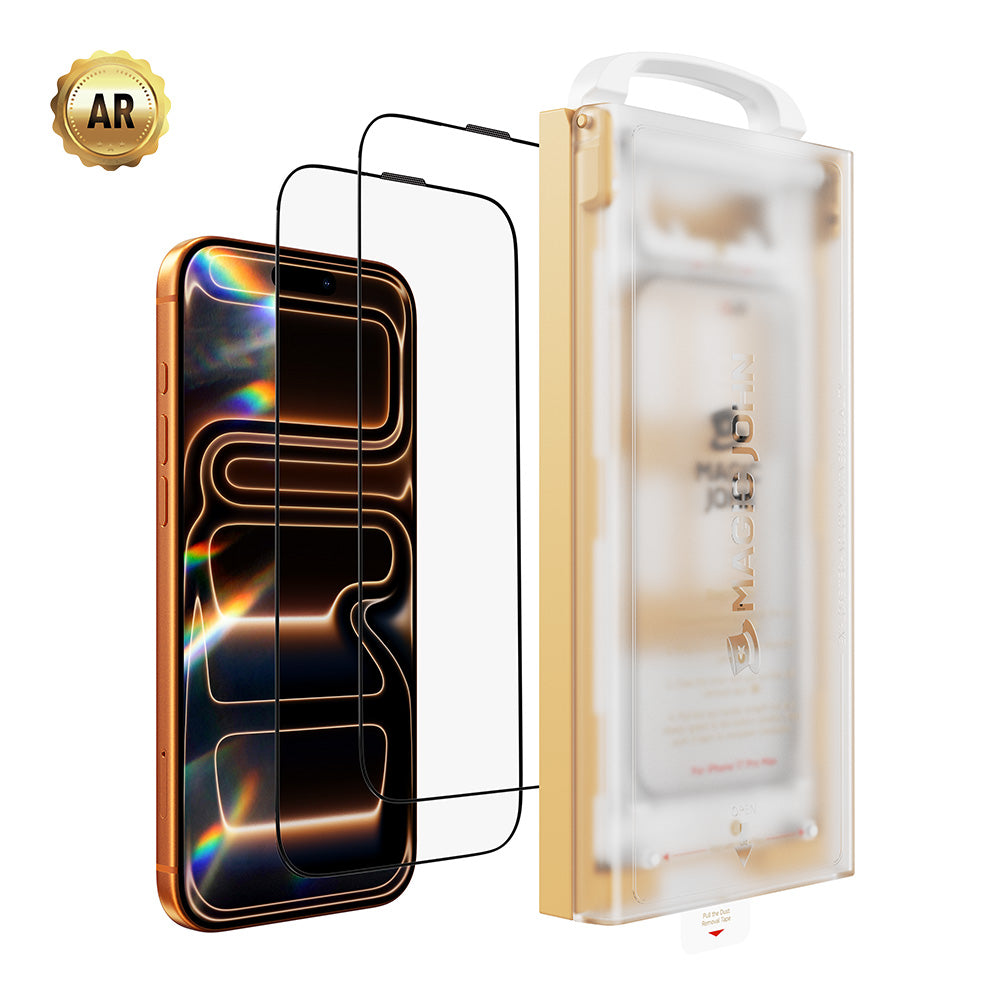
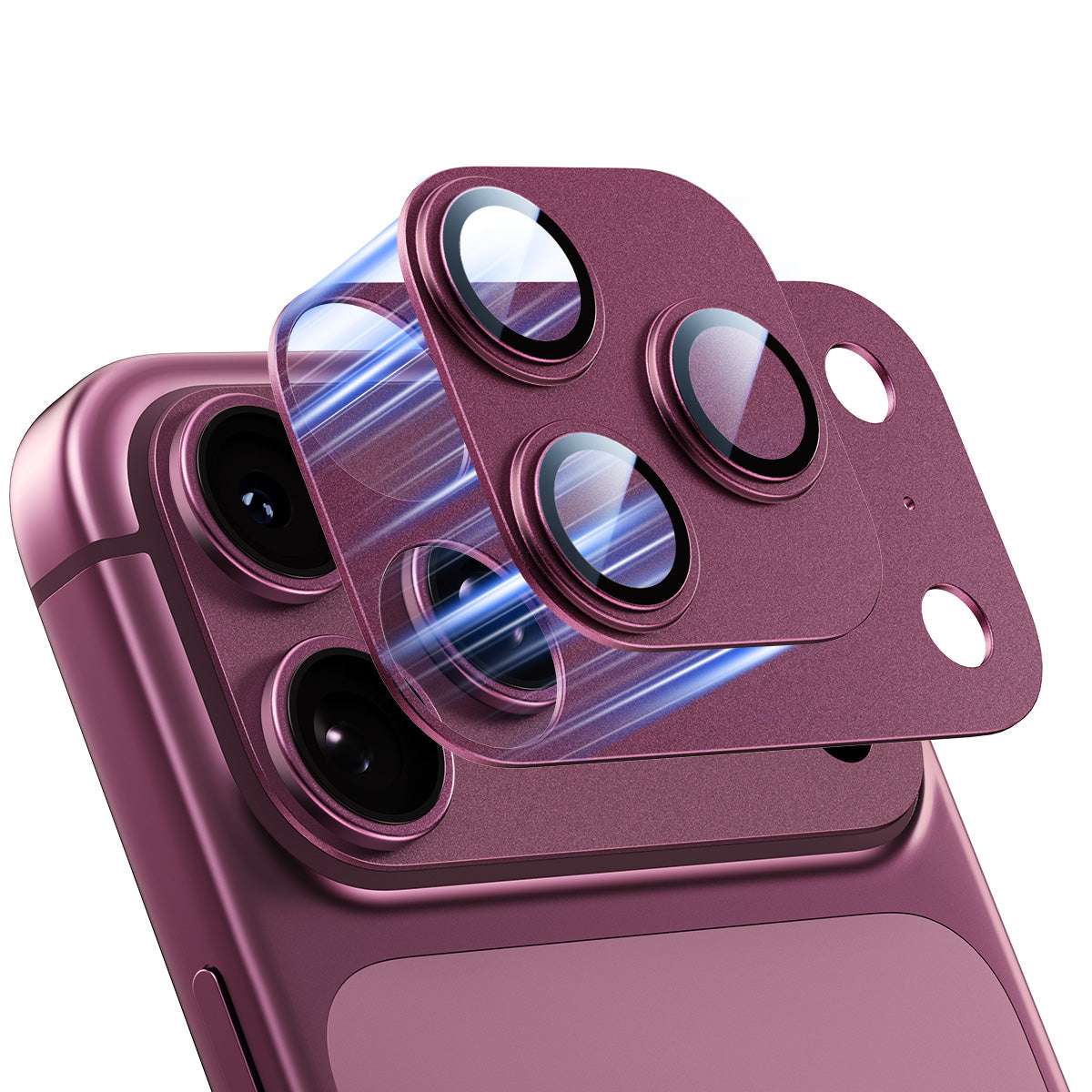
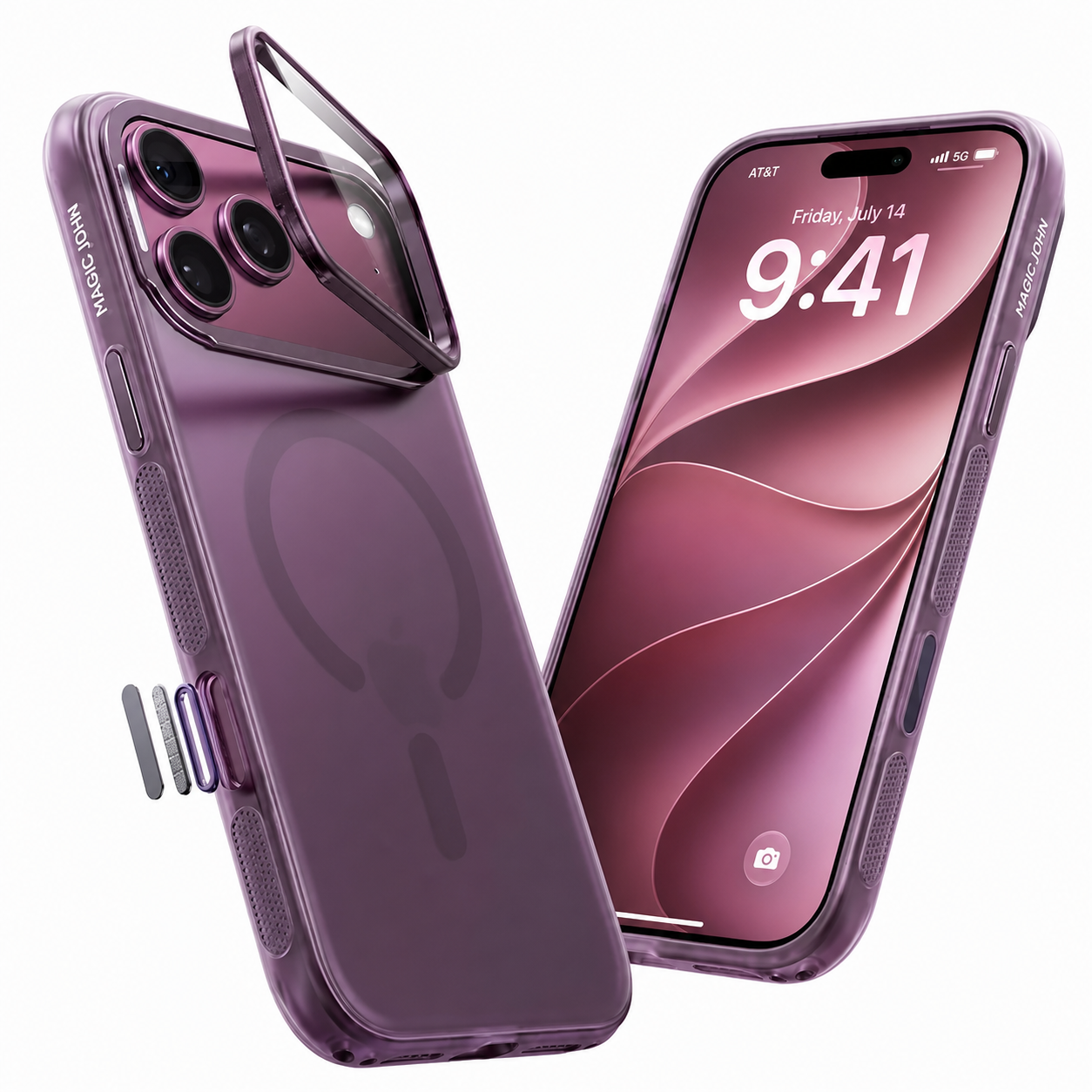
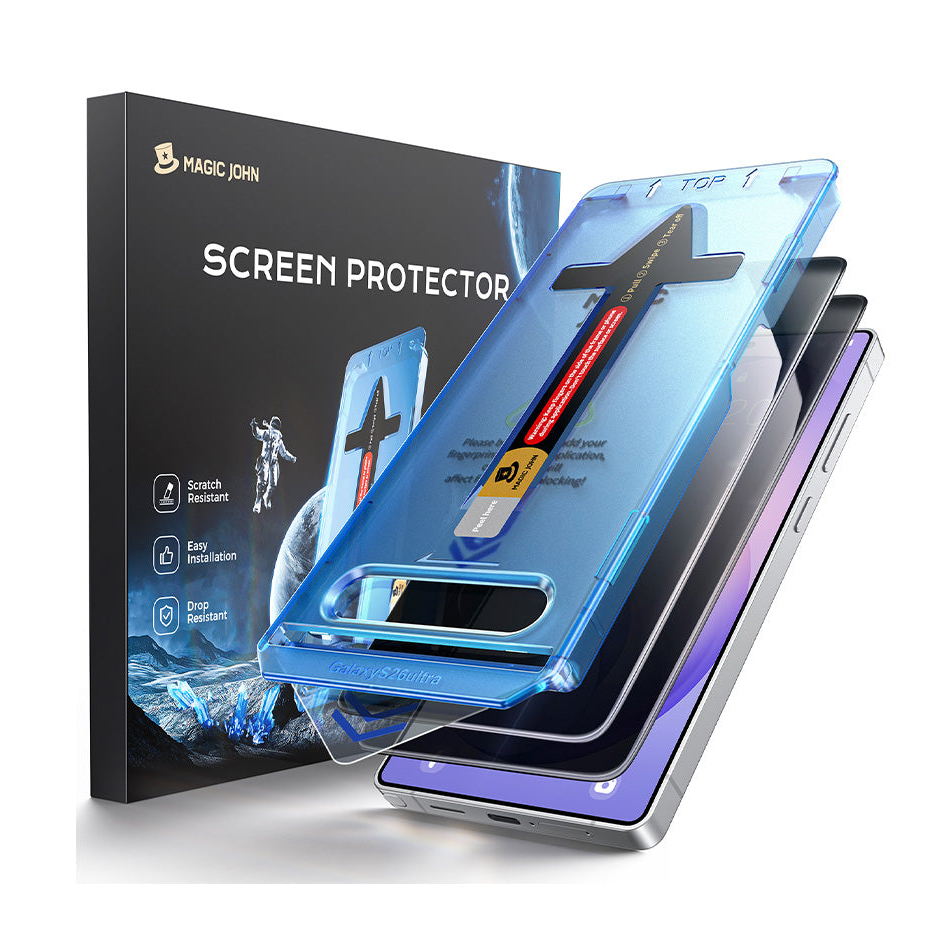




Apple's iPhone Duo isn't just a folding phone — it's a new design language, and that changes what actually makes a good iPhone Duo case.
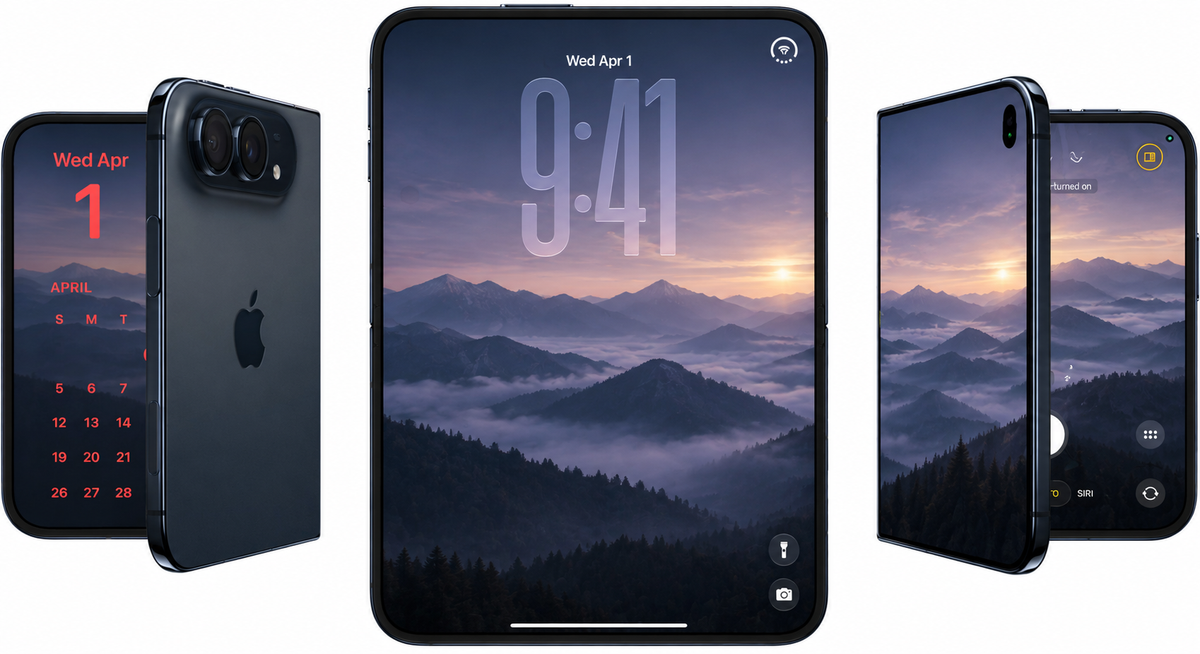
When Apple introduced iPhone Duo, it didn't simply tell us, "This is an iPhone that folds." Instead, Apple built its story around a more important question: What does folding actually change? The hinge, the materials, the way the phone opens and closes, the different ways you can hold and use it, and even how the inner display handles reflections all helped Apple explain why iPhone Duo is different from the iPhones that came before it.
But once the phone reaches users' hands, that story leads to another question: What kind of iPhone Duo case actually makes sense? Protecting a foldable iPhone isn't quite the same as protecting a traditional slab-style phone.
Apple Started With Industrial Design — What That Means for an iPhone Duo Case
One of the most important parts of the iPhone Duo story is something users interact with every time they open and close the phone: the hinge. Apple highlighted the precision-engineered hinge system, designed to let the device open flat while an integrated magnet array helps make opening and closing feel smooth and secure. The CNC-machined frame, titanium construction, and polished finish further reinforce the sense of precision and refinement Apple wants the Duo to convey.
These aren't simply technical specifications buried on a product page. Together, they define how Apple wants iPhone Duo to feel: precise, smooth, refined, and premium. And that's exactly what makes choosing an iPhone Duo case more complicated. Putting a case on a traditional iPhone is relatively straightforward, but a Duo case has to coexist with a moving mechanical system without taking too much away from the opening and closing experience Apple worked to create.
That raises a practical question: At what point does adding more protection start to change what makes iPhone Duo special?
Apple Didn't Just Show the Duo — It Showed Us How to Use It
The marketing side of Apple's presentation was just as important. Apple didn't only show what Duo looks like; it spent time demonstrating how people would interact with this new form factor, from different ways of unlocking and positioning the device to details such as the top and bottom speakers and antenna placement.
The message behind these demonstrations is important. Apple isn't only telling consumers what Duo has — it also has to teach people who have never owned a foldable iPhone how Duo is meant to be used. A folding design introduces interactions that don't exist on a conventional iPhone: opening it, closing it, changing its position, setting it on a surface, or using the larger inner display for content.
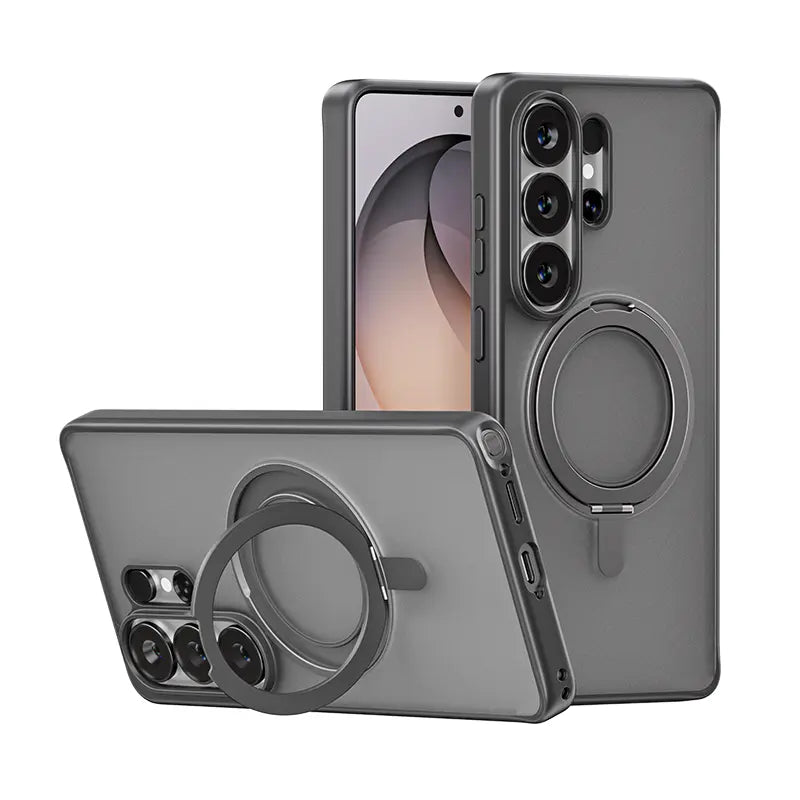
That may also change the role of the case. A case doesn't necessarily have to be only a protective shell; it can become part of how people use the Duo. And one feature keeps appearing in early conversations about iPhone Duo cases: the kickstand.
Why a Kickstand Matters for an iPhone Duo Case
In early Reddit discussions about iPhone Duo cases, a number of users have expressed similar preferences: they want a kickstand, but they don't want the case to become unnecessarily bulky. Some like the idea of a stand but aren't interested in a folio-style front cover. One user summarized the preference simply: "I want a kickstand and minimal bulk." Another had an even simpler reason: "I just want a kickstand. To watch movies lol."
That preference makes sense for a foldable phone. A larger inner display naturally lends itself to watching videos, FaceTime calls, reading, gaming, or simply leaving the phone on a desk while content remains visible. For some Duo owners, the question when choosing a case may therefore go beyond "Can this case protect my phone?" and become: "What else does this case let me do with my Duo?"
That's why a kickstand may have more value on a foldable device than on a conventional iPhone. A well-designed stand isn't just an extra feature — it can take advantage of the larger display and the way Duo is intended to be used.
Hinge Protection: The Hardest Problem for Any iPhone Duo Case
If a kickstand is something users may want to add to the experience, hinge protection could be one of the hardest problems an iPhone Duo case has to solve. At first, the answer seems obvious: the hinge is one of the most mechanically complex parts of the device, so why wouldn't you protect it?
In practice, the design tradeoffs aren't so simple. Some cases that fully cover the hinge leave an additional structure protruding from the phone when it is unfolded. Depending on the design, that can affect how the phone looks and feels in the hand or even interfere with how the outer display is used. Early Reddit discussions have already raised concerns about hinge protectors that look awkward when opened or interfere with the otherwise seamless experience of the device.
Other users take the opposite position: they simply aren't comfortable leaving such an important mechanical area exposed. That creates one of the biggest questions around iPhone Duo cases: Is more hinge protection always better?
The answer will probably depend on the user. Some may accept additional thickness in exchange for more coverage. Others may prioritize preserving the original opening and closing experience. And some may look for a middle ground — protection around the areas most likely to take an impact without wrapping the entire hinge in a large protective structure. For case makers, hinge protection isn't simply another feature to add; it's a design challenge involving protection, thickness, and usability.
For iPhone Duo Cases, Minimal Bulk May Matter More Than Ever
There's another issue every foldable phone has to deal with: thickness. The two halves of the device already stack together when the phone is closed, which means every additional millimeter added by a case can feel more noticeable than it would on a conventional iPhone.
That helps explain why minimal bulk is already appearing so frequently in conversations about iPhone Duo cases. Some users are even considering AppleCare+ combined with a minimal case rather than surrounding the Duo with a heavy-duty protective shell.
The tension is understandable. On one hand, anyone buying an expensive first-generation foldable iPhone has plenty of reasons to want serious protection. On the other hand, if part of the appeal of Duo is Apple's industrial design, many users won't want to immediately hide that design inside a thick case.
That's why the "best iPhone Duo case" may never have one universal definition.
The Nano-Texture Display Changes What a Good iPhone Duo Case Should Do
Another easy-to-overlook detail from the hardware side of Apple's presentation is the nano-texture finish on Duo's inner display. It's more than another specification. By emphasizing the display material and viewing experience, Apple is signaling how important the folding screen itself is to the overall Duo experience.
If Apple has invested significant engineering effort into the display, reflection control, and the overall folding experience, then a good Duo case shouldn't be judged only by how well it handles drops. We should also consider whether it interferes with the device itself. Can you comfortably reach the edges of the display? Does the case interfere with gestures? Does the hinge protector affect the outer screen when the device is unfolded? Does a front cover add an unnecessary step every time you want to quickly check your phone?
In other words, an iPhone Duo case should be judged not only by what it protects, but also by what it doesn't get in the way of.
Maybe There Isn't One "Best" iPhone Duo Case
That's what makes the early conversation around iPhone Duo cases so interesting. Different users are already prioritizing very different things. One person wants as much hinge protection as possible. Another wants almost no additional bulk. Someone else mostly wants a kickstand for watching movies. And another user may decide that AppleCare+ and a very thin case provide enough peace of mind.
So the real question may not be "What is the best iPhone Duo case?" Instead, it might be: What part of the iPhone Duo experience matters most to you?
If you frequently use Duo for videos, FaceTime, or desk viewing, a case with a kickstand may move higher on your list. If you're most concerned about drops, you may prioritize hinge, corner, and edge protection even if it adds some thickness. And if part of the reason you bought Duo is its industrial design, a thin, minimal case may make more sense.
What Kind of iPhone Duo Case Would You Choose?
That's the question we'd like to leave with iPhone Duo users: if it were up to you, what would you choose?
Would you accept a thicker phone in exchange for full hinge protection? Would you rather use an ultra-thin iPhone Duo case that preserves more of Apple's original design? Would you want a built-in kickstand for movies, FaceTime, and desk use? Or would you go as close to caseless as possible and rely more heavily on AppleCare+?
Maybe the ideal Duo case isn't about choosing between protection and minimalism at all. Maybe it's about finding the right balance: minimal added bulk, a genuinely useful stand, a comfortable grip, and enough protection in the places that actually need it.
If you could design your own iPhone Duo case today, what would you want it to have?
FAQ: Common Questions About iPhone Duo Cases
Does the iPhone Duo need a case?
Yes — the hinge and dual-screen design make drop protection especially important, though how much protection you need depends on how you use the phone.
What should I look for in an iPhone Duo case?
Hinge coverage, overall thickness, whether it includes a kickstand, and whether it interferes with the inner display or gestures are the main factors to weigh.
Will a case interfere with the iPhone Duo's hinge or fold?
Some hinge protectors can add bulk or feel awkward when the phone is unfolded, so it's worth checking how a case behaves in both open and closed positions before buying.
Is a kickstand case worth it for iPhone Duo?
If you regularly use Duo for video, FaceTime, or hands-free viewing, a kickstand case can make the larger inner display much more useful.
Should I get AppleCare+ instead of a thick case?
Some users prefer a thin case paired with AppleCare+ to preserve the original design while still having a safety net for repairs — it depends on how much day-to-day drop protection you want.



Lascia un commento
Questo sito è protetto da hCaptcha e applica le Norme sulla privacy e i Termini di servizio di hCaptcha.