




Here's a question that comes up whenever someone shares a "screen protector saved my screen" story: aren't modern phone screens already tough enough? It's a fair challenge. Phone makers put a lot of engineering into the glass, and plenty of people go years without a protector and never crack a screen. This guide looks at the physics behind how screens break and scratch, what modern glass does well, where its limits are, and who gets the most out of a protector.
The Debate
In a recent Reddit thread, an owner credited a screen protector with saving their phone's screen. One reply argued that phone screens are already designed to be advanced enough that you don't need one, and that point drew a lot of discussion.
Both sides have a point. Modern cover glass is far better than it used to be. But "strong" isn't the same as "immune," and the physics explains why. Here's how it works.
Why Glass Breaks
Glass is very hard, but it's brittle. It doesn't bend and absorb impacts the way metal or plastic does. According to Corning, the maker of Gorilla Glass, "glass will break from flaws on its surface," and those flaws grow when the glass is under tension.
Think of a tiny scratch or chip as a starting point. When the phone hits the ground or is pressed hard, the stress concentrates at that flaw. If it's large enough, a crack starts and spreads across the screen in an instant. So the damage you can see, like a crack, often starts from damage you couldn't see.

How Phone Glass Is Made Tougher
Phone makers deal with this by strengthening the glass. In the ion-exchange process described by Corning, the glass is soaked in a hot salt bath. Larger potassium ions replace smaller sodium ions in the surface. The larger ions take up more room, which squeezes the surface into a state of compression.
That compressive layer works like a tough outer skin. A crack has to overcome the compression before it can grow, which helps the glass resist everyday drops. Corning says treated glass can "retain more of its strength even after a minor nick or scratch."
This is why a modern phone survives many drops that would shatter ordinary glass. The skeptic in the Reddit thread is right about that. It's also an advanced design built to handle ordinary use.
Scratches and Hardness
Strength in a drop and resistance to scratches are different properties. Scratches depend on hardness: a material can only scratch something that is softer than it is.
On the Mohs hardness scale, quartz rates about 7, while Gorilla Glass rates about 6, according to this explainer. Quartz is the main ingredient in sand and a lot of dust, so grit in a pocket or bag can leave fine scratches on a phone screen over time. Keys and coins are softer than the glass and generally don't scratch it.
That article also notes a balance in glass design: surface hardness helps against scratches, while flexibility helps in sudden drops. Different phones balance these differently, and Apple has its own Ceramic Shield glass. For example, Apple says the Ceramic Shield 2 on the iPhone Duo's outer display has "3x better scratch resistance than the previous generation," which is an improvement, but not a promise that nothing can mark it.
Scratches also add up. Each one is a tiny flaw, and as we saw above, flaws are where cracks begin. Light scratches usually don't matter much on their own, but they're still damage you can't undo.
What a Screen Protector Adds
A screen protector doesn't change the physics. It adds a layer to take the damage first:
- A sacrificial surface. Scratches and scuffs land on the protector, not on your screen's glass. When it gets marked, you replace it, and the screen underneath stays as it was.
- A possible buffer in an impact. In some knocks, the protector may take part of the hit, and if it cracks, the screen underneath may be spared. This isn't guaranteed, and it depends on the drop, the surface and how the phone lands.
- An inexpensive replacement. A protector costs far less than a screen repair. Check Apple's or Samsung's repair prices for your model to compare.
What it doesn't do: it won't make a phone unbreakable, and it doesn't replace a good case. A hard fall on a corner can still crack the screen or the protector.
Do You Need One?
The honest answer is "it depends." This table can help:
| Your situation | A protector makes sense if… |
|---|---|
| You keep your phone in a pocket or bag with keys, coins and grit | You want to avoid fine scratches over time. |
| You're often outdoors, at the beach, on a job site or at the gym | Sand and dust are common where you use your phone. |
| You drop your phone regularly | You'd like a cheap layer that might take part of a knock. |
| You trade in or resell phones | Condition can matter for what a buyer or carrier offers. We can't promise any value. |
| You're very careful, use a case and a clean pocket | You may be fine without one. That's a reasonable choice. |
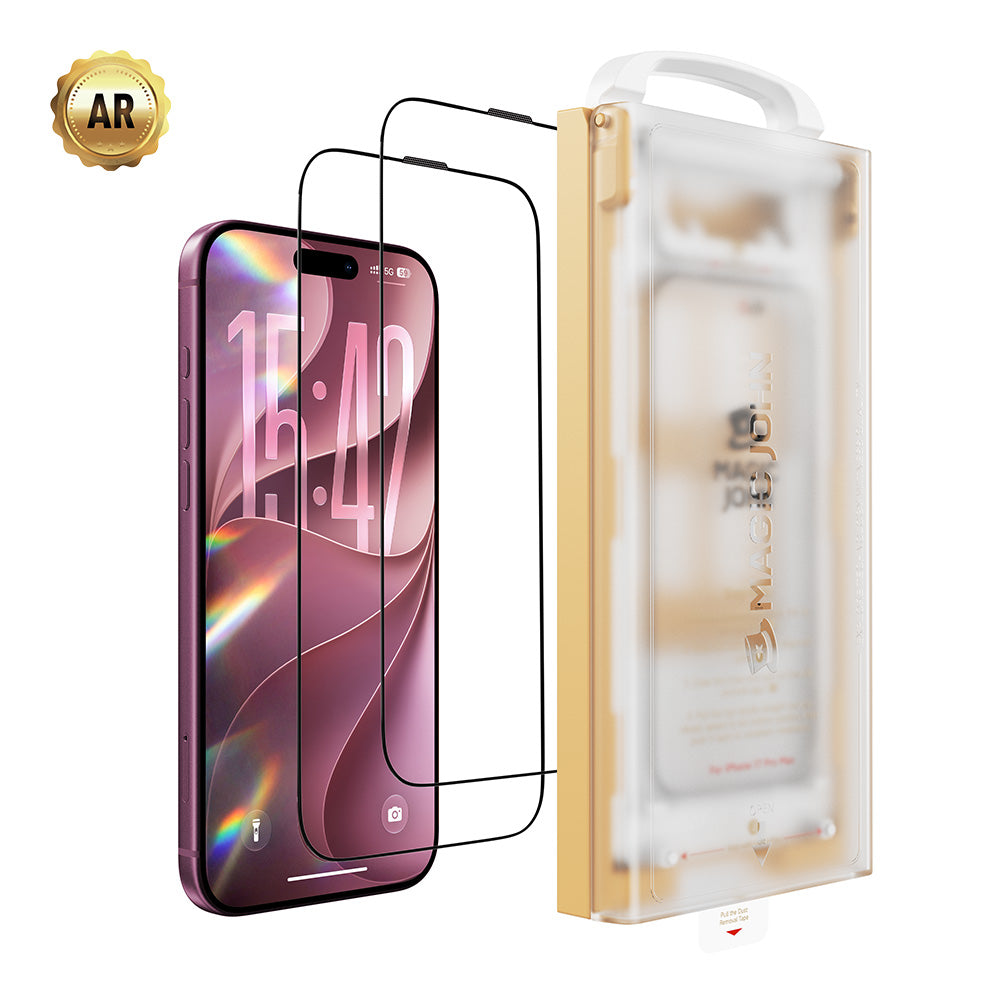
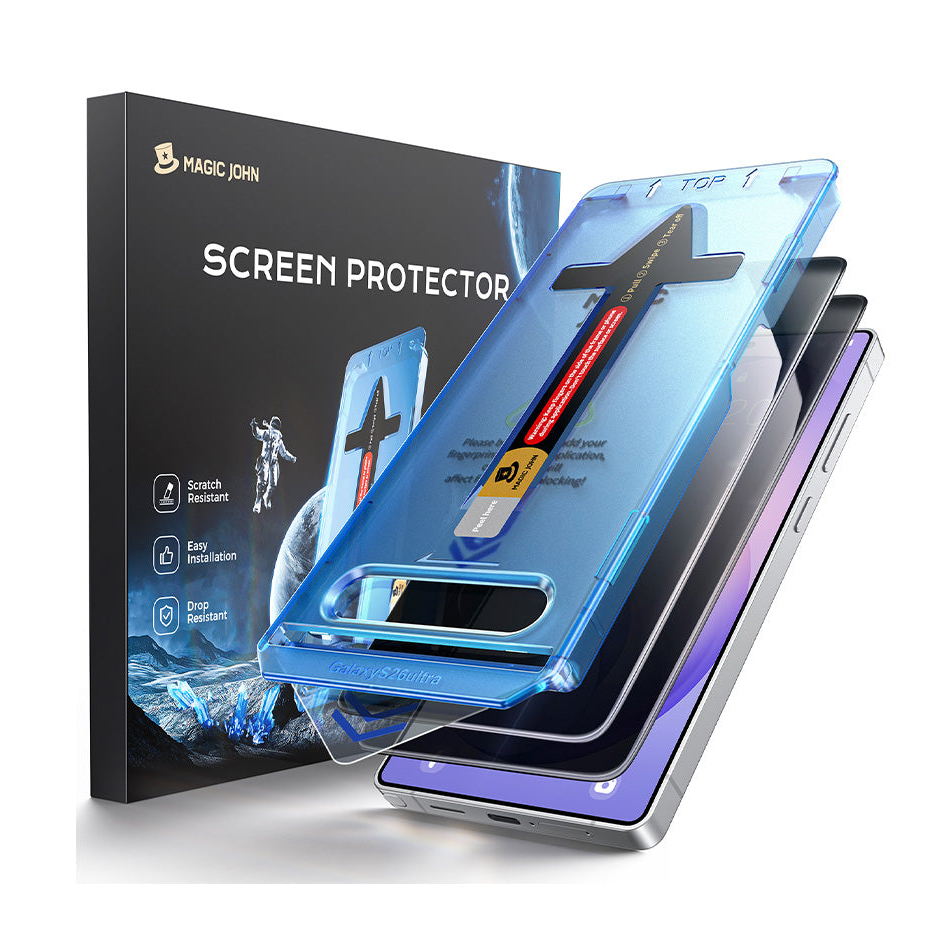
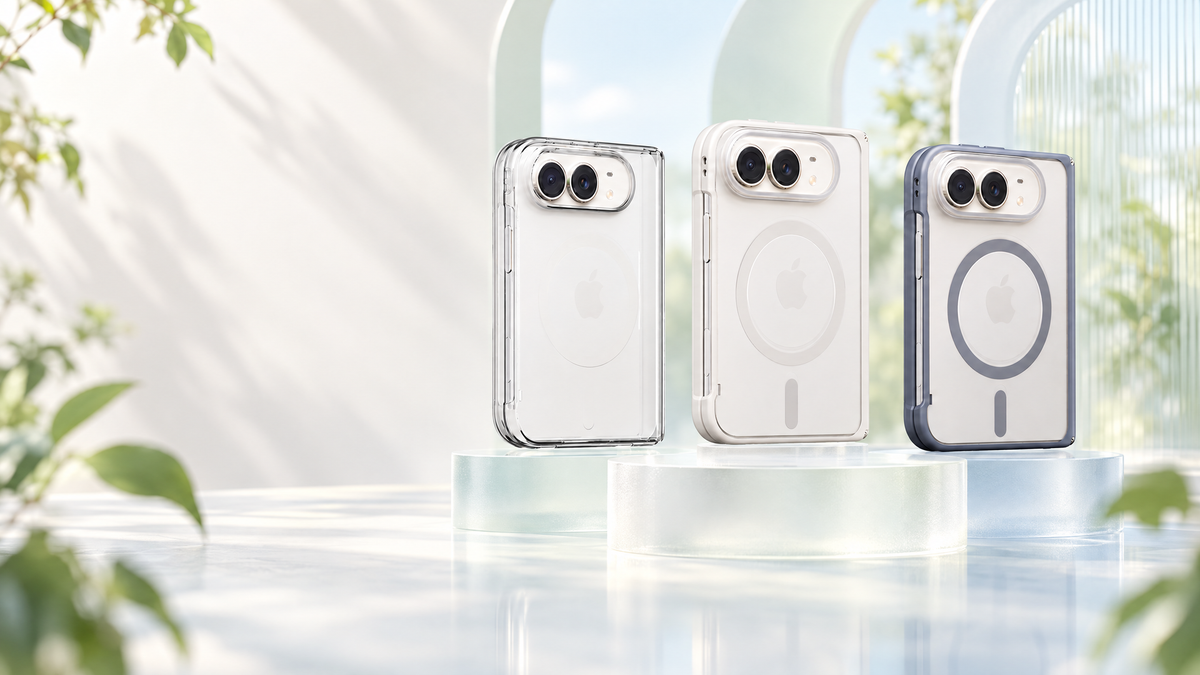
If you decide to use one, pick a protector designed for your exact model. Our iPhone options include HD Clear and Privacy tempered glass protectors, and we also make protectors for Samsung Galaxy and Google Pixel. On the iPhone 18 Pro, Apple says anything covering the TrueDepth camera can cause Face ID problems, and recommends removing privacy protectors if Face ID doesn't work. If Face ID reliability is your priority, HD Clear is the safer pick. See our Face ID guide. For a smooth install, follow our installation tutorial.
Shop iPhone 18 Pro screen protectors

A Note on Foldables
If you've pre-ordered an iPhone Duo, the physics works a little differently. Apple says the outer display uses Ceramic Shield 2, but the folding inner display uses a scratch-resistant coating and a custom polymer cover layer, with high-strength glass above and below the folding panel. A flexible display can't use rigid glass the way a regular phone does, so follow Apple's guidance on caring for it and on third-party protection. We're not claiming protectors for the Duo yet, so check back for news once accessories are available. Until then, our foldable design comparison and pre-order guide cover what Apple has announced.
FAQ
Are modern phone screens strong enough without a screen protector?
Many people use phones for years without one and without a cracked screen. Strengthened glass is tough, but it can still scratch and crack, so a protector is optional extra insurance.
Why do phone screens crack?
Glass breaks from tiny surface flaws that grow when the glass is under tension, as Corning explains. A hard impact on a flaw or a corner can start a crack.
Can sand scratch Gorilla Glass?
Yes. Quartz, the main component of sand, is harder than Gorilla Glass on the Mohs scale, so it can leave fine scratches.
Does a screen protector prevent cracked screens?
Not always. It may take part of an impact and help in some falls, but it can't guarantee a screen won't crack.
Is a screen protector worth it if my phone has Ceramic Shield or Gorilla Glass Victus?
Those glasses are tougher than older glass, but they can still pick up scratches. Whether it's worth it depends on how you use your phone and how much you want to avoid marks.
Does a screen protector make the screen look worse?
A good, well-fitted protector shouldn't. If it matters to you, choose a clear one made for your model and install it carefully.


Lascia un commento
Questo sito è protetto da hCaptcha e applica le Norme sulla privacy e i Termini di servizio di hCaptcha.