




Before every new iPhone launch, the same question comes up: "The screen glass is so advanced now — can I finally skip the screen protector?"
The iPhone 18 lineup pushes that question further than ever. Based on all the current rumors, the iPhone 18 Pro and Pro Max are expected to launch in September 2026 (alongside the rumored iPhone Fold), while the standard iPhone 18 is rumored to arrive in spring 2027.
The rumors also point to an A20 2nm chip, 12GB of RAM, a smaller Dynamic Island, and a new Dark Cherry colorway. But beneath all the headline specs sits a far more practical question: how scratch-resistant will the iPhone 18's screen actually be — and is it enough to save you the cost of a protector?
Conclusion: No. Here's what the rumors — and real-world testing — say.
What the Rumors Say About the iPhone 18 Display
Rumors about the iPhone 18's screen focus on two directions:
A new glass formulation
A Forbes report from January 2026 cites Weibo leaker Digital Chat Station claiming all four iPhone 18 models (iPhone 18, second-gen iPhone Air, iPhone 18 Pro, iPhone 18 Pro Max) will feature markedly different display designs. That's consistent with Apple's trajectory of iterating on Ceramic Shield glass every generation, since the iPhone 12 — each one claimed to be tougher than the last.
A stronger anti-reflective coating
The iPhone 17 lineup introduced Ceramic Shield 2 with a new multi-layer anti-reflective coating, designed to reduce glare and make the glass harder. Rumors suggest Apple will refine this coating for the iPhone 18 series, making it even more scratch-resistant and less reflective under sunlight.
Why "Tougher Glass" Still Scratches
Here's the fundamental physics problem that phone marketing ignores: drop resistance and scratch resistance are opposites.
Making glass softer and more flexible makes it absorb impact better, so it won't shatter when dropped. But softer glass scratches more easily. Making glass harder makes it resist scratches, but makes it more brittle and prone to shattering.
| Material | Mohs Hardness | Scratch Source |
|---|---|---|
| Keys / Coins (Brass/Steel) | ~3.5 – 5.5 | Will not scratch Ceramic Shield |
| Ceramic Shield 2/3 (iPhone 17/18) | ~5.5 – 6.0 | Scratches at level 6, deeper grooves at level 7 |
| Pocket Dust / Sand (Quartz/Silica) | 7.0 | Scratches Ceramic Shield every time |
| 9H Tempered Glass Protector | ~8.0 – 9.0 | Resists sand and quartz scratches |
Every year, JerryRigEverything durability tests show the same result: new Ceramic Shield formulations still scratch at Mohs level 6, with deeper grooves at level 7. Why? Because sand (quartz) has a Mohs hardness of 7. Tom's Guide tests and iFixit teardowns consistently confirm that everyday pocket dust contains microscopic quartz grains that easily scratch naked iPhone glass.
The Real Reason People Hate Bare Screens Over Time
Even if you avoid major scratches, a naked iPhone screen degrades in a way most users don't anticipate: oleophobic coating wear.
Apple applies a microscopic oil-repellent coating to every iPhone display. After 4–8 months of daily swiping, friction wears that coating off in the areas your fingers touch most (usually the center and lower third). Once the coating wears off:
- Fingerprints stick instantly and are hard to wipe off.
- Swiping feels rubbery and draggy instead of silky-smooth.
- The screen catches glare more severely in those worn spots.
A $20 screen protector acts as a sacrificial layer. When its oleophobic coating wears out after 6–12 months, you simply peel it off and install a fresh one. The phone's original screen remains pristine underneath.
The Trade-Offs of Going Bare-Screen
| Factor | Naked iPhone 18 Screen | With 9H Tempered Glass Protector |
|---|---|---|
| Resale Value | Loses $100–$200 for visible scratches | Maximized — screen is 100% flawless at trade-in |
| Lease Return (Apple Upgrade) | Deep scratches can trigger damage fees | Guaranteed pass with zero damage fees |
| Out-of-Warranty Repair Cost | $279 – $379 if cracked | $20 (cost of replacing the protector) |
| Touch Feel After 1 Year | Draggy, fingerprint-prone (worn coating) | Smooth (fresh protector applied anytime) |
| Display Clarity | Pure native glass | Near-identical clarity with AR coating |
Why AR (Anti-Reflective) Glass Is the Sweet Spot for iPhone 18

The single best reason people give for skipping a screen protector is: "Protectors add glare and ruin the screen's clarity."
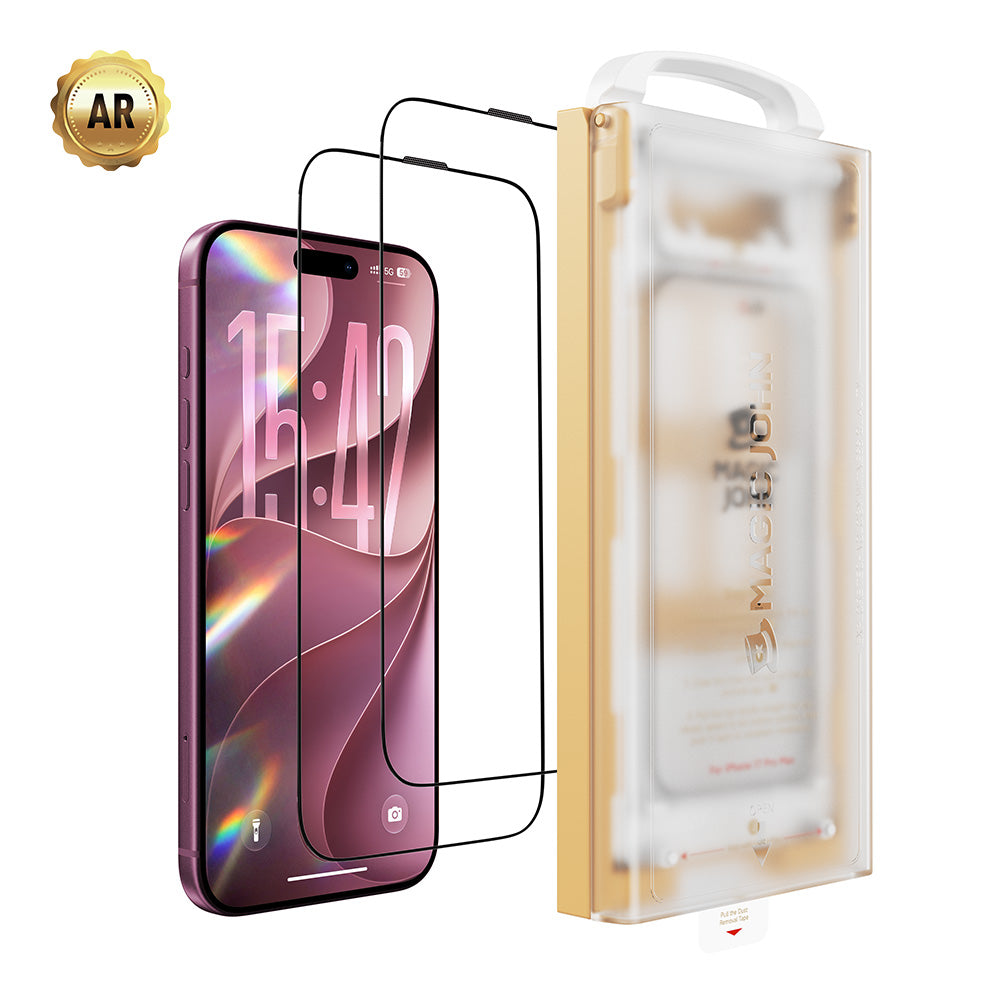
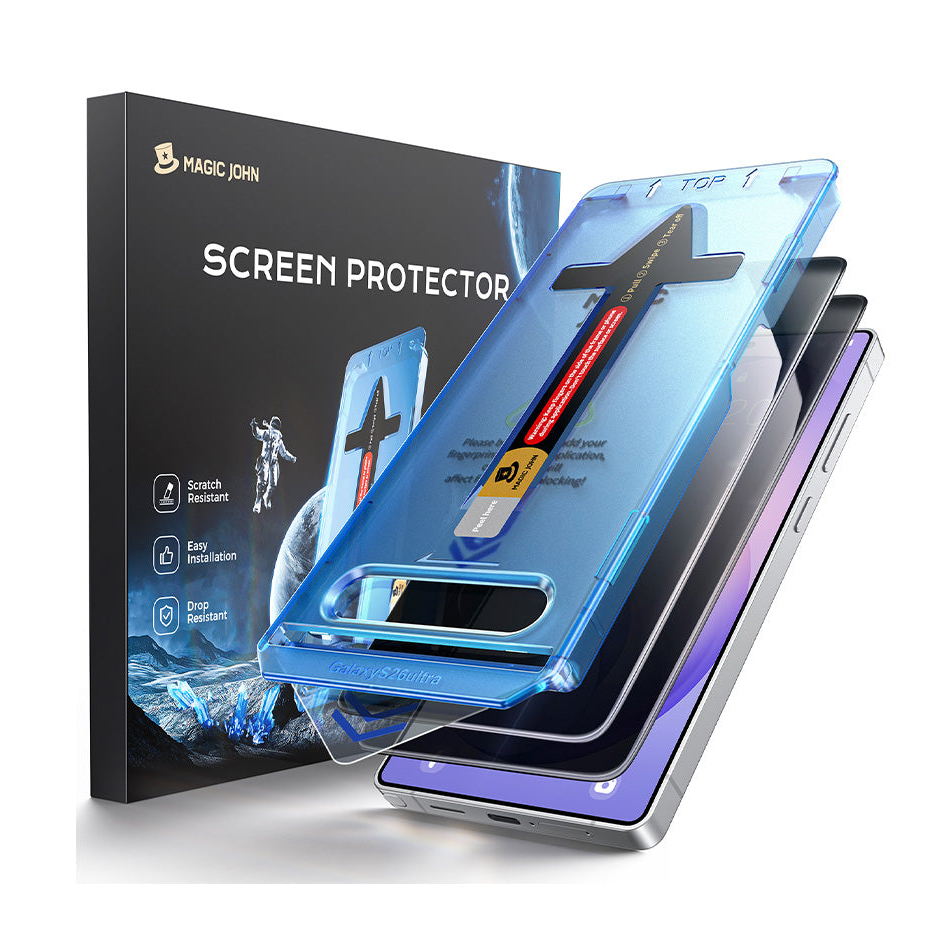
That used to be true for cheap glass protectors. But Magic John's Gen 3 AR screen protectors use optical vacuum coatings that match the anti-reflective properties of high-end camera lenses. They reduce reflections from ~8% down to under 1% — so you get the full 3,000-nit outdoor brightness of the iPhone 18 Pro without adding glare, plus 9H scratch protection.
The Verdict: Do You Need One for the iPhone 18?
Yes, absolutely — unless you plan to upgrade every 6 months and don't care about resale value.
No matter how much Apple improves Ceramic Shield on the iPhone 18, pocket sand will still scratch it, oil coatings will still wear off, and accidental drops will still cost $300+ to fix without protection. Applying an AR-coated protector on day one is the cheapest way to keep your $1,200 device feeling like new for years.
Frequently Asked Questions
Will Ceramic Shield 3 make screen protectors obsolete?
When will the iPhone 18 be released?
Will a screen protector ruin the iPhone 18's anti-reflective display?
Isn't Ceramic Shield 2 already 3x more scratch-resistant?
I'm leasing the iPhone 18 through Apple Upgrade. Do I need a protector?
What happens when the oleophobic coating wears off?
Does an AR screen protector affect Face ID accuracy?
Can I install a screen protector myself without getting dust underneath?


Einen Kommentar hinterlassen
Diese Website ist durch hCaptcha geschützt und es gelten die allgemeinen Geschäftsbedingungen und Datenschutzbestimmungen von hCaptcha.